

3 Fertility Blood Tests Your Doctor May Recommend
October 13, 2026
Can I Go to a Fertility Appointment Without My Partner?
October 26, 2026Intrauterine Adhesions: Causes and How They Can Affect Fertility
By Fernando Akerman, MD | Fertility Center of Miami
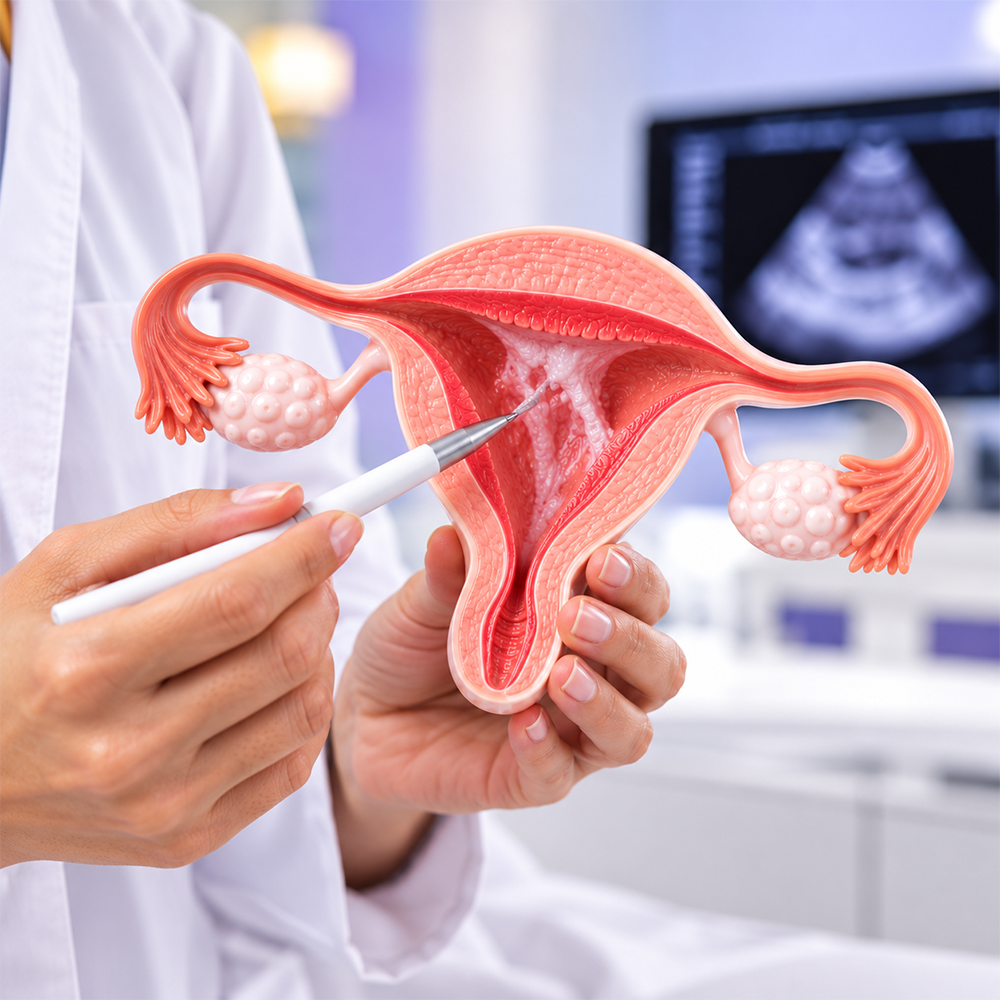
Intrauterine adhesions are bands of scar tissue that form inside the uterus. They can develop after certain uterine procedures, surgeries, or infections and may affect the uterine cavity, menstrual cycles, and, in some cases, fertility.
Also known as uterine adhesions, these scar tissue bands are associated with Asherman syndrome when they cause symptoms or complications. Understanding their possible causes is an important step toward identifying potential factors that may affect reproductive health.
What Causes Intrauterine Adhesions?
Intrauterine adhesions can develop when the lining of the uterus is injured and scar tissue forms during healing. According to Dr. Ackerman, several procedures and medical conditions may contribute to their development, including:
- Dilation and curettage (D&C): A procedure sometimes performed after a miscarriage or abortion.
- Uterine surgery: Procedures such as myomectomy to remove fibroids or polypectomy to remove uterine polyps.
- Cesarean delivery: In some cases, uterine scarring may develop following a cesarean section.
- Uterine infections: Certain infections, including infections associated with sexually transmitted diseases, may contribute to uterine damage.
- Intrauterine devices (IUDs): A history involving an IUD may be relevant when evaluating uterine health, although IUD use alone does not typically cause adhesions.
- Cancer treatments: Radiation therapy involving the pelvic area may damage reproductive tissues.
In some cases, intrauterine adhesions can also occur without an obvious history or identifiable cause.
Can Intrauterine Adhesions Affect Fertility?
The impact of intrauterine adhesions depends on their location and severity. Scar tissue can partially or completely obstruct the uterine cavity, potentially interfering with implantation or increasing the risk of certain pregnancy complications.
Some women may experience changes in their menstrual periods, including lighter bleeding or absent periods, while others may have no noticeable symptoms.
If you have a history of uterine procedures, changes in your menstrual cycle, or difficulty becoming pregnant, a fertility specialist may recommend further evaluation to determine whether intrauterine adhesions could be a contributing factor.
When Should You Seek a Fertility Evaluation?
A history of uterine surgery or a previous miscarriage does not necessarily mean you will develop intrauterine adhesions. However, if you are experiencing menstrual changes or difficulties conceiving, discussing your medical history with a specialist can help determine whether further investigation is appropriate.
At Fertility Center of Miami, a personalized fertility evaluation can help identify potential uterine factors that may affect your reproductive health and guide your next steps.
If you have concerns about intrauterine adhesions or their potential impact on fertility, schedule a consultation with a fertility specialist.