

ROPA Method and Fertility Options for Same-Sex Female Couples
October 1, 2026PCOS Has a New Name: What Is Polyendocrine Metabolic Ovarian Syndrome (PMOS)?
By Fernando Akerman, MD | Fertility Center of Miami
If you have heard the term PCOS, you may soon start seeing a different name for the same condition: Polyendocrine Metabolic Ovarian Syndrome (PMOS).
In 2026, the international guideline for the condition was updated to introduce PMOS as the new name for what was previously known as polycystic ovary syndrome, or PCOS. The change reflects a broader understanding of the condition and recognizes that its effects can extend beyond the ovaries.
But why was the name changed, and what does this mean if you have been diagnosed with PCOS?
Why Did PCOS Get a New Name?
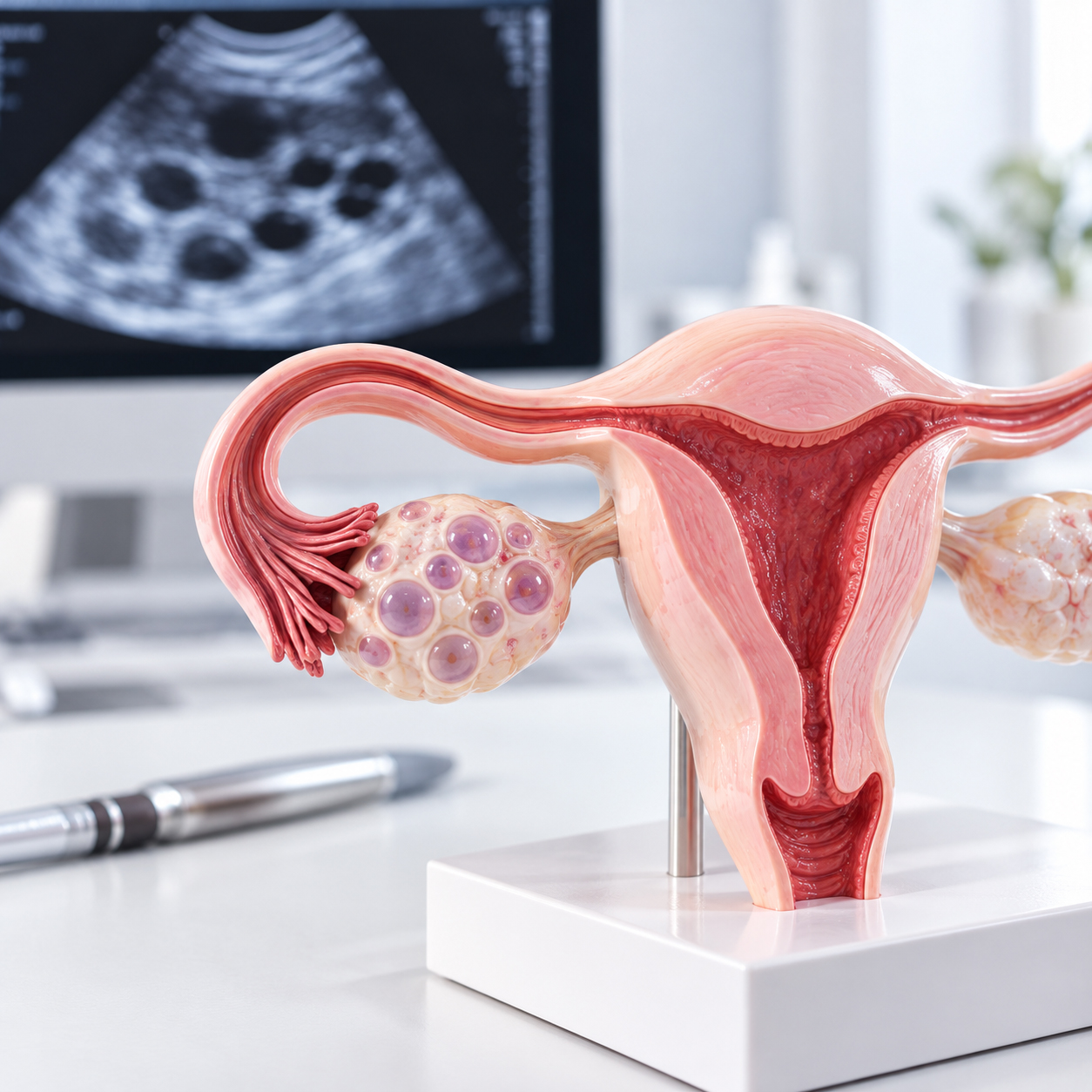
The term polycystic ovary syndrome has been used for decades. However, the name can give the impression that the condition is primarily about having cysts on the ovaries.
That does not fully describe the condition.
PCOS can involve reproductive, hormonal, metabolic, and other aspects of health. Its symptoms and presentation can also vary significantly from one person to another. The new name, Polyendocrine Metabolic Ovarian Syndrome, is intended to better reflect this broader understanding.
The updated terminology does not mean that a completely new condition has been discovered. PMOS is the new name for the condition previously called PCOS.
What Is Polyendocrine Metabolic Ovarian Syndrome?
PMOS is a complex endocrine condition that can affect different aspects of reproductive and overall health.
Some people may experience changes in their menstrual cycles, while others may have signs associated with higher androgen levels, such as increased facial or body hair or acne. Metabolic features can also be part of the condition.
Importantly, not everyone with PMOS experiences the same symptoms.
This variation is one reason that recognizing the condition can sometimes be challenging.
What Are the Symptoms of PMOS?
There is no single symptom that defines PMOS. Depending on the individual, signs may include:
- Irregular or widely spaced menstrual cycles
- Changes related to androgen levels
- Acne or increased facial or body hair
- Difficulties with ovulation
- Challenges with fertility
- Metabolic health concerns
Some people may have several of these features, while others may experience only some of them.
Because the condition can present differently from person to person, an evaluation by a healthcare professional is important when symptoms or menstrual changes raise concerns.
Is PMOS the Same as PCOS?
Yes.
PMOS is the new name for the condition previously known as polycystic ovary syndrome (PCOS). The international guideline was updated in May 2026 to reflect this terminology change. The recommendations for assessment and management were not changed simply because the name changed.
Because PCOS has been the commonly used term for many years, you will likely continue to see both terms during the transition. This is especially true in existing medical records, online resources, and conversations with healthcare providers.
For patients, the most important thing to understand is that PMOS and PCOS refer to the same condition.
How Can PMOS Affect Fertility?
One of the reasons PMOS is particularly relevant in reproductive medicine is its potential effect on ovulation.
When menstrual cycles are irregular, ovulation may also be irregular or may not occur regularly. This can make it more difficult to predict the fertile window and, in some cases, can make it more difficult to become pregnant.
However, having PMOS does not mean that pregnancy is impossible.
Many people with PMOS are able to become pregnant, either naturally or with appropriate fertility support when needed. A fertility specialist can evaluate ovulation, reproductive health, and other factors that may affect your ability to conceive.
Why Is the Name Change Important?
The name change reflects an effort to describe the condition more accurately.
For many years, the term PCOS placed significant emphasis on the ovaries. Current understanding recognizes that the condition can involve multiple endocrine and metabolic systems as well as reproductive health.
Using a broader name may also help patients understand that managing the condition is not simply about the ovaries or fertility.
At the same time, the transition to a new name will take time. Many patients will continue to encounter the term PCOS, particularly when searching for information online.
That is why understanding both terms can be helpful.
What Should You Do If You Have Been Diagnosed With PCOS?
If you have previously been diagnosed with PCOS, you do not need to assume that your diagnosis has changed because of the new terminology.
Instead, continue working with your healthcare provider to understand your individual symptoms, reproductive health, and overall health needs.
If you are trying to conceive, a fertility specialist can help determine whether irregular ovulation or other factors associated with PMOS may be affecting your fertility and discuss appropriate options.
The most important point is that PMOS is more than a name change. It reflects a broader understanding of a condition that can affect different aspects of health and can look different from one person to another.
At Fertility Center of Miami, our team can help you understand how PMOS, previously known as PCOS, may relate to your reproductive health and fertility goals.
If you have been diagnosed with PCOS or have symptoms that concern you, schedule a consultation to discuss your individual situation and fertility options.